Safety on Mount Kilimanjaro
Here is a polished, high-converting marketing version of your text. It cleans up the grammatical errors, maintains a highly reassuring but realistic tone, and positions your company as the ultimate safety-first authority to build trust with potential clients.
Summit Safely: Why Your Health is Our Number One Priority on Mount Kilimanjaro
Mount Kilimanjaro is the adventure of a lifetime. As the tallest mountain in Africa and one of the legendary Seven Summits, this magnificent 5,895-meter (19,341 ft) peak has captured the hearts of adventurers for generations.
Because Kilimanjaro is a "trekking mountain" that requires no technical climbing skills, it is uniquely accessible to anyone in reasonably good health. Statistically, it is much safer than other global peaks of a similar altitude. However, accessibility does not mean it is easy. Kilimanjaro has an average summit success rate of just 60%, and real risks are involved—primarily due to elevation.
That is why being serious about your dream means being serious about your safety. At our core, your health and peace of mind are our absolute priorities.
Understanding the Altitude: The Real Challenge
The primary reason climbers fall short of the summit is Acute Mountain Sickness (AMS), commonly known as altitude sickness. Because Kilimanjaro pushes deep into the extreme altitude zone, almost every climber will feel the effects of elevation in some way.
* Mild Symptoms (From 1,500m / 4,921 ft): It is completely normal to experience minor shortness of breath, mild headaches, light dizziness, or slight nausea. While uncomfortable, these common symptoms are not inherently dangerous.
* Severe Risks: If a climber acclimatizes poorly, AMS can escalate rapidly and unexpectedly. It is a common myth that physical fitness protects you—young, highly fit, and perfectly healthy climbers are just as susceptible to altitude sickness as anyone else.
How We Minimize the Risks for a Stress-Free Climb
While you can never completely eliminate the risks of extreme altitude, you can heavily mitigate them. With the right preparation, expert planning, and medical oversight, severe altitude sickness is highly preventable and entirely manageable.
We ensure your climb is as safe and stress-free as possible by strictly enforcing best-practice safety measures:
* Scientifically Proven Acclimatization Routes: We guide you on itineraries specifically engineered with optimal pacing ("walk high, sleep low") to give your body the best possible chance to adapt naturally.
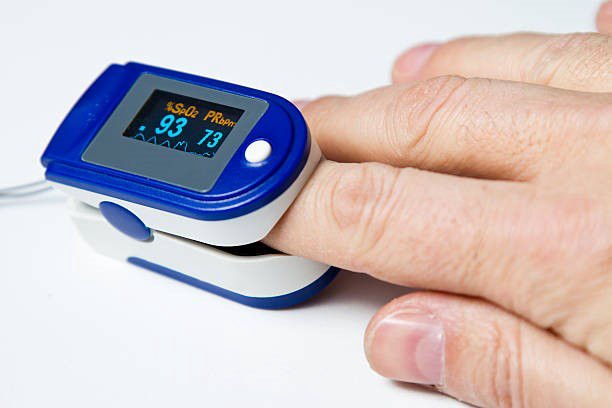
* Elite, Medical-Trained Guides: Our highly experienced lead guides are certified in wilderness first aid and altitude safety. They conduct mandatory, daily health checks—including pulse oximeter readings and lung auscultation—to monitor your stats before you even feel a symptom.
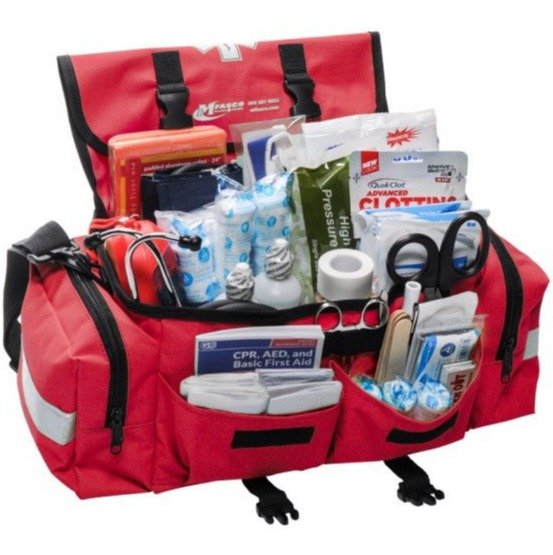
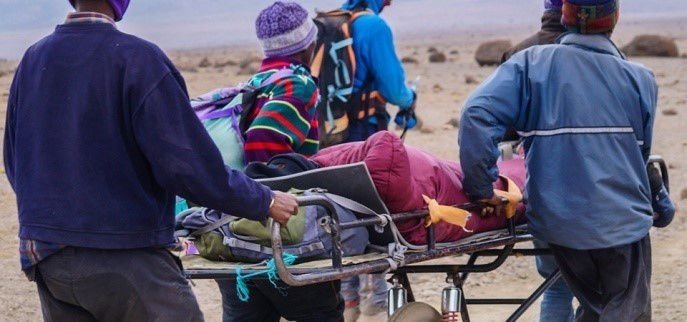
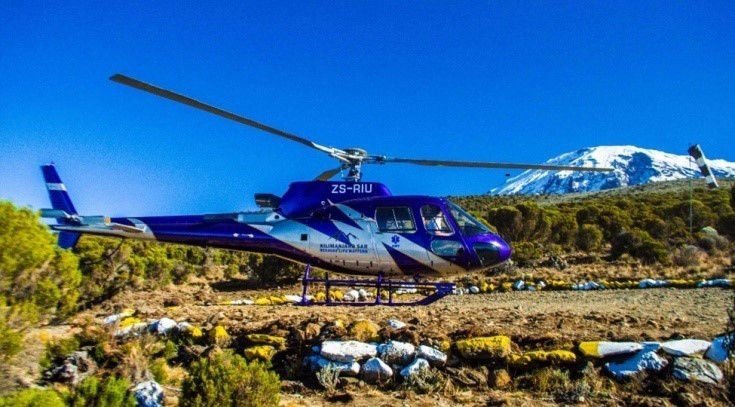
* Comprehensive Safety Gear: Every single expedition we launch is equipped with emergency oxygen, a fully stocked medical kit, and a rapid-response evacuation protocol.
Climbing Kilimanjaro should be an exhilarating triumph, not a safety gamble. By choosing a responsible operator (us) who refuses to compromise on medical standards, you aren't just buying a trek—you are securing your route to the top and your safe return home.
Uncompromised Safety: Expert Guides and World-Class Health Protocols
When you climb with us, you are placing your dream in the hands of professionals. Your health, well-being, and peace of mind are the foundations of every expedition we lead. We combine rigorous health standards with unparalleled mountain expertise to ensure your journey is safe, seamless, and spectacular.
Elite Altitude Expertise: Over 100 Climbers Guided Per Year
Altitude sickness is the primary reason climbers fail to reach the summit, but it is highly manageable with the right team by your side.
* Proven Experience: Our guides are master trackers of human physiology at high elevation. By personally guiding over 100 climbers every single year, they have seen and managed every variable the mountain can throw at them.
* Proactive Prevention: They don't just react to altitude sickness—they actively prevent it. With elite training in early symptom recognition and acclimatization techniques, our team ensures your body adapts safely every step of the way.
Premium Health & Hygiene Standards
Your safety doesn't start on the mountain—it begins the moment you step foot in the country. We strictly adhere to comprehensive Standard Operating Procedures (SOPs) designed to protect you from modern viral risks, including COVID-19, and general travel illnesses.
* Trained to Protect: Every member of our staff—from head guides to camp chefs and porters—is thoroughly trained in up-to-date sanitization and preventative health measures.
* Safe Environments: From meticulously sanitized gear and private transport to hygienic food preparation in the bush, we minimize your exposure to health risks so you can focus entirely on the climb.
Choosing the right operator means choosing a team that values your life as much as your summit success. With our deeply experienced guides and flawless health protocols, you can take on the peak with absolute confidence.
Don't leave your safety to chance. Contact our team today to learn more about our industry-leading safety standards.